
Industrial CD Ozone Generators
High-frequency Corona Discharge generators producing 50g/h to 2,000g/h ozone concentration utilizing ultra-pure PSA oxygen feed gas and water-cooled titanium electrode chambers.

Engineered Corona Discharge Ozone Sanitation, High-Efficiency Vacuum Venturi Injection, and Automated Chloramine Destruction for High-Traffic Commercial Aquatic Centers, Resorts, and Municipal Facilities.
Addressing the critical challenges of heavy bather loads, persistent water turbidity, and noxious chloramine accumulation in modern commercial aquatic facilities.
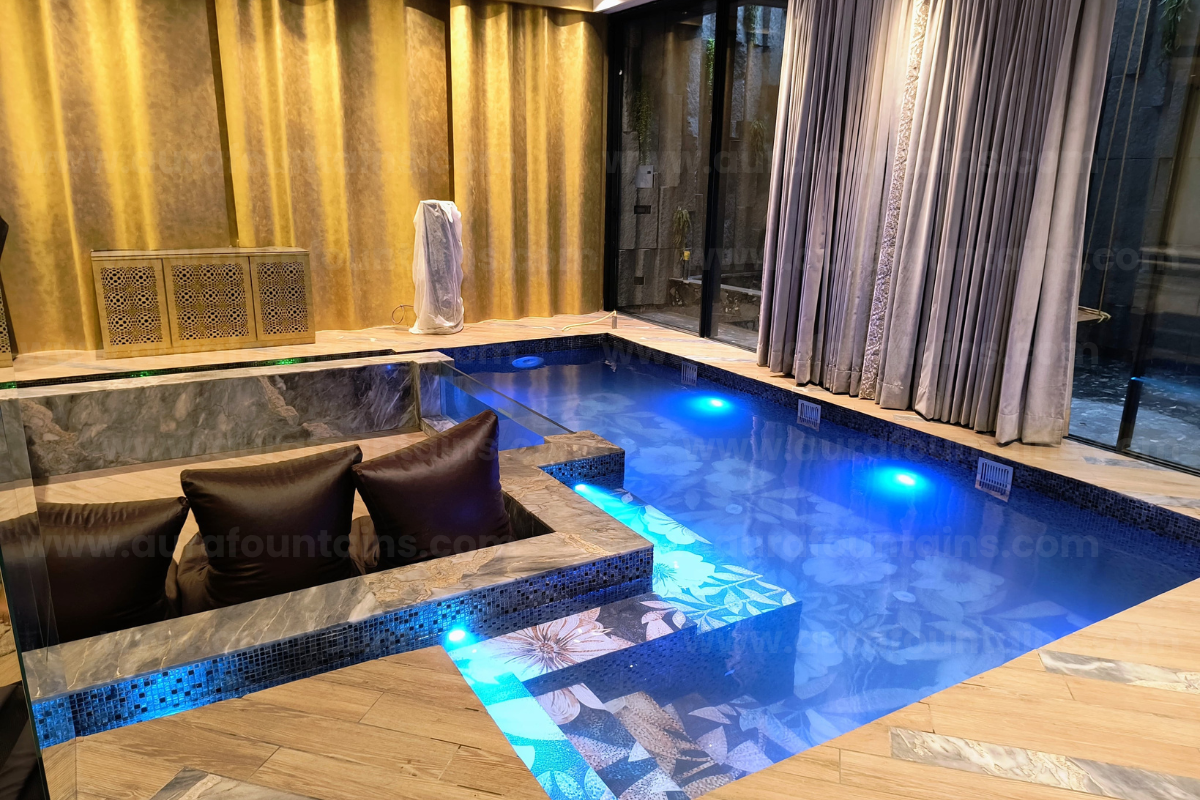
In high-occupancy commercial pools—such as luxury resort complexes, competition aquatic centers, water parks, and hydrotherapy spas—traditional halogen-only chemical regimes fall short. Heavy organic loading from bather sweat, body oils, cosmetics, and nitrogenous waste reacts instantly with free available chlorine to generate volatile combined chloramines (monochloramine, dichloramine, and nitrogen trichloride).
These chloramines cause sharp eye burn, skin rashes, dangerous indoor air quality degradation, and destructive corrosion on facility HVAC air handlers and metallic architectural supports. A custom-engineered Commercial Pool Ozone Generator serves as a robust secondary disinfection and primary micro-flocculation unit. Generating ozone ($O_3$) via high-frequency Corona Discharge (CD), the system injects micro-bubbles into a dynamic bypass reaction stream, destroying pathogens, algae, viruses, and chlorine-resistant cysts such as Cryptosporidium parvum and Giardia lamblia within seconds.
Engineered skid packages built with titanium dielectrics, integrated PSA oxygen concentrators, and closed-loop ORP controls.
High-frequency Corona Discharge generators producing 50g/h to 2,000g/h ozone concentration utilizing ultra-pure PSA oxygen feed gas and water-cooled titanium electrode chambers.

Engineered side-stream bypass loops featuring Mazzei-style vacuum venturi injectors, booster pumps, and dynamic mixing nozzles delivering up to 95% mass transfer efficiency.

Contact reaction columns fitted with high-efficiency automatic air release valves and manganese dioxide catalytic off-gas destructors for 100% ambient safety.

Touchscreen Siemens PLC panels with closed-loop ORP setpoint adjustment, ambient safety gas leak monitors, vacuum safety switches, and Modbus BMS connectivity.
An objective, quantitative engineering breakdown comparing primary secondary-sanitation technologies for commercial aquatic facilities.
| Performance Benchmark | Corona Discharge Ozone (Aura) | Medium-Pressure UV Systems | Traditional Chlorine-Only Regimes |
|---|---|---|---|
| Oxidation Potential (mV) | 2.07 eV (Extreme Oxidation Power) | N/A (Photolytic Reaction Only) | 1.36 eV (Moderate Chlorine Power) |
| Reaction Kinetics | 3,125x faster oxidation rate than HOCl | Instantaneous within chamber window | Slow (Requires several minutes to hours) |
| Chloramine Breakdown | Destroys Monochloramines, Dichloramines, & Trichloramines directly | Destroys Trichloramines at targeted 200–400nm wavelengths | Generates Chloramines upon reacting with organic load |
| Water Clarity & Micro-Flocculation | Excellent (Natural micro-coagulant action clusters colloidal particles) | None (Does not alter dissolved solid size profile) | Poor (Relies heavily on poly-aluminum chloride chemicals) |
| Crypto & Giardia Inactivation | Complete 4-log reduction (99.99%) in secondary bypass contact tank | Effective 3-to-4 log reduction within lamp chamber | Inadequate (Requires extreme CT contact time & high ppm) |
| HVAC & Indoor Air Protection | Eliminates off-gassing at source; protects metal ductwork & trusses | Moderate airborne chloramine reduction | Accelerates HVAC rust, coil degradation, and roof truss failure |
| Operational Cost Impact (OpEx) | Reduces chemical purchases up to 80%; minimal power consumption | High annual lamp replacement costs & continuous bulb fouling cleanings | High recurring bulk chemical & pH buffer balancing spend |
Navigating evolving public health regulations, sustainability mandates, and next-generation smart ozone control technology.
Legacy ozone systems relied on dried ambient air feeds, which produced low ozone concentrations (1% to 2% by weight) and accumulated corrosive nitric acid byproducts due to nitrogen atmospheric content. Future-proof procurement mandates integrated Pressure Swing Adsorption (PSA) molecular sieve oxygen concentrators, boosting feed-gas purity to over 93% $O_2$. This doubles ozone concentration outputs (up to 10% by weight), eliminates nitric acid formation, and dramatically reduces overall energy footprint per gram of ozone produced.
Modern commercial pool ozone generators are integrating high-frequency (5 kHz to 20 kHz) solid-state inverter power supplies with pulse-width modulation (PWM). By matching real-time ozone dosage to automated ORP and bather-load sensing inputs, variable-frequency ozone generators scale power usage down during low-occupancy off-peak hours, providing commercial facility managers with quantifiable electrical energy savings.
Global environmental and occupational health authorities (OSHA, DIN 19643, and WHO) are tightening ambient indoor ozone thresholds to under 0.1 ppm. Cutting-edge commercial ozone plant designs feature redundant thermal-catalytic degassing destroyers equipped with heated reaction beds, ensuring 100% of residual undissolved ozone gas is reconverted to pure molecular oxygen ($O_2$) before returning to the pool or venting to atmosphere.
Engineering answers to technical inquiries frequently asked by B2B procurement managers, MEP consultants, and pool contractors.
A commercial pool ozone generator delivers micro-flocculation and oxidation power 3,125 times faster than traditional chlorine. Ozone ($O_3$) rapidly oxidizes organic contaminants, body oils, cosmetic residues, and destroys carcinogenic combined chloramines (monochloramine, dichloramine, and nitrogen trichloride). This prevents eye irritation, harsh chemical odors, and red eyes while maintaining crystal-clear water with up to 80% lower chemical consumption.
Corona Discharge (CD) systems generate high concentrations of ozone (typically 3% to 10% by weight) using high-voltage dielectric electrical fields fed by oxygen concentrators, making them suitable for large commercial aquatic facilities. UV ozone generators produce low concentrations (0.1% to 0.5% by weight) via photochemical lamps and are restricted to light-duty residential applications due to insufficient mass transfer capability for heavy bather loads.
An engineered ozone system uses a vacuum venturi injector skid that draws gas into a side-stream loop. The water then enters a pressurized contact vessel engineered for a minimum 2 to 4-minute reaction time. Before returning to the pool, water passes through a degassing chamber with a thermal-catalytic ozone destruct unit, ensuring zero undissolved ambient ozone gas escapes into indoor air handling zones or pool enclosures.
Ozone acts as a primary micro-biocide and oxidation agent within the mechanical recirculation loop. However, public health standards require a residual sanitizer (such as 0.5 ppm to 1.0 ppm free available chlorine) in the main pool vessel to prevent cross-contamination between swimmers. Ozone reduces the required chlorine dose by up to 80% while keeping free chlorine fully active and uninhibited by chloramines.
Capacity depends on total pool water volume, peak bather load per hour, water turnover rate, and pool temperature (indoor vs. outdoor). As a general engineering baseline, high-use commercial pools require 1 to 2 grams of ozone per hour per 1,000 gallons of recirculation flow rate, scaled up for elevated bather loads, water slides, or hydrotherapy hydro-jets.
Routine maintenance includes checking pressure differentials across the venturi injector, inspecting ambient ozone safety sensor calibration every 6 months, replacing oxygen concentrator molecular sieve beds every 2 to 3 years, and servicing corona discharge dielectric tubes annually. Aura Fountains provides detailed operations manuals and Annual Maintenance Contracts (AMC) for worry-free reliability.
Indoor air degradation and structural corrosion are caused by volatile airborne trichloramines evaporating from chlorine-treated water. Ozone oxidizes chloramines directly in the water before off-gassing occurs. This eliminates off-gas odors, protects roof trusses, ductwork, and steel support structures from corrosive damage, and reduces ventilation fresh-air intake requirements to save operational energy costs.
Aura Fountains ozone systems are built under ISO 9001:2008 quality standards. Safety systems feature automated PLC interlocks, differential pressure switches, ambient air gas detection sensors (OSHA PEL < 0.1 ppm threshold), emergency auto-shutoff valves, and thermal shutdown protections to safeguard operators and facility personnel.
Founded in 2003 and headquartered in Noida, Delhi NCR, Aura Fountains (Aura Pools & Fountains) is an ISO 9001:2008 certified manufacturer and turnkey contractor. Over two decades, our engineering divisions have successfully delivered over 1,500 projects across India and internationally.
By controlling the manufacturing pipeline—from precision corona discharge components, stainless steel filter skids, and PLC automation controllers to underwater LED luminaires—we provide MEP consultants, commercial developers, and municipal authorities with fully integrated water filtration and ozone sanitation plants engineered to exact site specifications.
Precision manufacturing of dielectric cells, stainless steel contact vessels, and PLC panels.
End-to-end scope from CAD hydraulic layout, piping sizing, equipment skid supply, to testing and commissioning.
12-month full system warranty backed by operator training and long-term Annual Maintenance Contracts (AMC).
Systems built to conform with international swimming pool disinfection standards and safety requirements.
A benchmark of excellence across high-profile commercial, institutional, and hospitality clients.
Custom water display features integrated with advanced filtration and water treatment skids delivering persistent clarity.
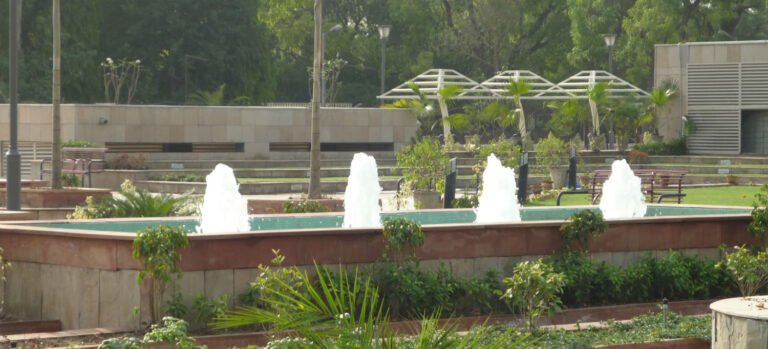
Heavy-duty, continuous-duty hydraulic and water treatment engineering commissioned at one of India's premier apex institutions.

Turnkey pool redesign, high-efficiency filtration, and secondary disinfection upgrades for high-occupancy resort guests.
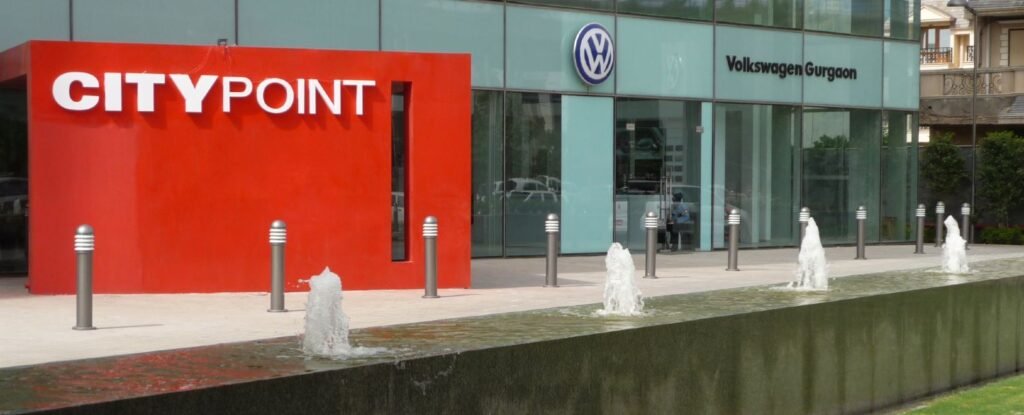
Multi-water feature design, central recirculation plants, and automated chloramine reduction system execution.
Connect directly with our senior aquatic engineers for technical sizing calculations, system quotes, and equipment specifications.