
Executive Overview: Strategic Sourcing of Swimming Pool Chemical Feeders from China
Modern commercial water treatment, municipal aquatics, and luxury resort pool engineering demand rigid water chemistry stabilization. Pool chemical feeders serve as the core mechanical heartbeat of sanitation systems, regulating chlorine, bromine, pH adjusters, and algaecides. As international procurement directors, aquatic engineers, and pool equipment distributors look to optimize supply chain economics without sacrificing operational reliability, sourcing directly from top-tier China wholesale pool chemical feeder factories has transitioned from a cost-saving alternative to an essential strategic advantage.
This technical whitepaper provides an exhaustive analysis of China's swimming pool chemical feeder manufacturing ecosystem. It covers erosion feeder fluid dynamics, peristaltic dosing pump mechanics, automated ORP/pH micro-dosing systems, supply chain verification protocols, and key architectural integration considerations. Grounded in two decades of hydro engineering experience and backed by ISO 9001 quality management practices, this guide delivers actionable insights designed to maximize Procurement ROI while eliminating field failure risks.
Information Gain: Micro-Dosing & Hydrodynamic Dissolution Efficiency
Conventional off-line feeders frequently suffer from "chemical spikes" during pump startup cycles due to poor internal fluid mixing. Premium Chinese manufacturing facilities now implement internal hydrodynamic baffle design coupled with PVDF venturi injection manifolds. This achieves a linear tablet erosion rate curve, increasing chemical efficiency by up to 28% and reducing total dissolved solids (TDS) accumulation in commercial swimming pools.
Technical Classification & Engineering Architecture of Pool Chemical Feeders
To establish a precise procurement specification, engineering teams must evaluate chemical delivery mechanisms based on pool volume, turnover rates, daily bather load variations, and targeted chemical compounds (Trichlor-s-triazinetrione, Calcium Hypochlorite, Sodium Hypochlorite, or Muriatic Acid).
In-Line & Off-Line Tablet Erosion Feeders
Utilizing high-density, UV-stabilized ABS or heavy-duty polyethylene vessels, erosion feeders dissolve slow-dissolving Trichlor or Bromine tablets under controlled system pressure. Off-line models leverage flexible polyethylene tubing and control valves to introduce concentrated chemical streams downstream of heaters and filtration units, protecting critical mechanical equipment from corrosive back-siphoning.
Peristaltic Liquid Dosing Pumps
Engineered for liquid chlorine (Sodium Hypochlorite) and acid injection, commercial peristaltic dosing pumps utilize SAN/PVDF pump heads, double-roller drive assemblies, and chemical-resistant Norprene tubes. They offer continuous, pulse-free discharge against backpressures up to 4.0 bar, guaranteeing precise volumetric delivery independent of system pressure fluctuations.
Automated PLC Closed-Loop Controllers
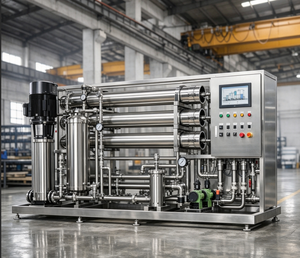
Integrating digital ORP (Oxidation-Reduction Potential) and pH sensor arrays, advanced closed-loop controllers automatically adjust feeder duty cycles in real time. Incorporating microprocessor technology with Modbus or DMX protocols, these systems prevent over-chlorination, reduce chemical waste, and support seamless integration into commercial building management systems (BMS).
Chemical Feeder Technology Matrix: Technical Specification Comparison
Selecting the optimal feeder technology requires balancing hydraulic performance, maintenance cycles, and capital expenditure. The matrix below outlines key engineering metrics across primary chemical feeder categories manufactured by certified OEM suppliers in China.
| Feeder Type | Primary Chemical Media | Max Pool Capacity | Dosing Control Method | Wetted Material Compatibility | Maintenance Interval |
|---|---|---|---|---|---|
| Commercial Automatic Erosion Feeder | Trichlor / Bromine 3" Tablets | Up to 150,000 Gallons | Manual Dial Valve / Solenoid Bypass | Heavy-Duty ABS, Viton O-Rings, PVC | Bi-weekly tablet replenishment |
| Positive Displacement Peristaltic Pump | 12.5% Liquid Chlorine / Muriatic Acid | Unlimited (Modular Arrays) | Pulse Frequency / Proportional PLC | PVDF Head, Santoprene/Norprene Tube | 6-Month Tube replacement |
| Venturi Injection System | Liquid Chemicals / Ozone Injection | Up to 500,000 Gallons | Differential Pressure Valve | PTFE, PVDF Body, Titanium Check Valve | Annual nozzle flush |
| Commercial Salt Chlorination System | Pool Grade Sodium Chloride (Salt) | Up to 100,000 Gallons | Electrolytic Cell Current Control | Titanium Plates with Ruthenium Coating | Quarterly cell acid cleaning |
Future Procurement & Manufacturing Trends (2025–2030)
The global pool equipment sector is undergoing a massive shift toward energy efficiency, automated water quality compliance, and sustainable chemical management. Chinese OEM factories and component suppliers are at the forefront of this industrial transformation, investing heavily in automated production lines, advanced polymer chemistry, and IoT connectivity.
1. Smart IoT & Cloud-Connected Water Sanitation Systems
Future-ready pool chemical feeders manufactured in China are increasingly outfitted with embedded Wi-Fi, Ethernet, and RS-485 Modbus interfaces. Aquatic facility operators can remotely monitor chemical consumption rates, track water flow velocity, receive low-chemical level alerts via mobile applications, and maintain compliant sanitization logs required by municipal health departments. This automation dramatically lowers labor overhead for hotel chains, public waterparks, and multi-family residential complexes.
2. Material Engineering & Corrosion Resistance Innovations
Chemical feeder failure is almost exclusively caused by chemical degradation of internal seals, valves, and casing materials. Premier Chinese factories are adopting next-generation fluoropolymers, such as PVDF (Polyvinylidene Fluoride) and PTFE (Polytetrafluoroethylene), for critical wetted components. Additionally, high-grade Titanium alloy heat exchange elements and SS316L hardware ensure long-term durability in high-salinity and high-temperature pool environments.
3. Variable-Speed Hydrodynamic Integration
As commercial pools transition to variable-frequency drive (VFD) circulation pumps to comply with global energy directives, chemical feeders must adapt to fluctuating flow rates. Next-generation erosion feeders incorporate self-regulating pressure-equalizing valves that maintain consistent chemical dissolution rates even when circulation pump speeds drop during off-peak night modes.
China Factory Selection & OEM Quality Control Protocols
Partnering with the right Chinese manufacturer requires rigorous evaluation of factory infrastructure, testing standards, and quality management frameworks. Sourcing teams must establish clear audit standards to ensure delivered products strictly match technical submittals.
Hydrostatic Pressure & Leak Testing
Every commercial feeder vessel must undergo factory hydrostatic pressure testing at 1.5 times the maximum rated operating pressure (minimum 50 PSI / 3.4 bar) for a sustained hold time. This verifies seam integrity, threaded lid sealing, and air-relief valve functionality before export packaging.
Chemical Compatibility Verification
Factory raw materials must be certified for direct contact with concentrated oxidizers and strong acids. Qualified suppliers provide material safety certificates (NSF/ANSI Standard 50 compliance or equivalent ISO certification) confirming that plastic resins will not leach plasticizers or suffer stress cracking over time.
Enterprise Advantage: Integrated Engineering Expertise by Aura Fountains
Established in 2003 and operating from a state-of-the-art facility in Noida, Delhi NCR, Aura Fountains (Aura Pools & Fountains) brings over 20 years of field-proven hydraulic and water feature engineering expertise to global project buyers. Certified under ISO 9001 quality management systems, our engineering team has successfully executed more than 1,500 projects across municipal, commercial, hospitality, and luxury residential sectors.
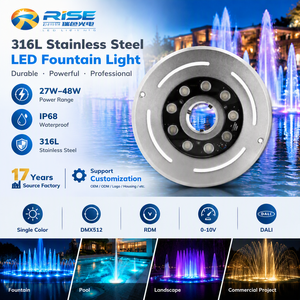
Unlike standard trading intermediaries, our technical capabilities extend across the complete lifecycle of aquatic systems design, component manufacturing, custom PLC controller programming, and complex hydraulic installation. Our in-house manufacturing facilities produce precision stainless steel fountain nozzles, high-efficiency IP68 underwater LED light fixtures, programmable RGB/DMX controllers, and specialized pool filtration manifolds. By sourcing through an established manufacturer with real-world field installation experience, commercial buyers gain access to unmatched technical support, custom OEM/ODM engineering customization, and complete system-level integration guarantees.
Frequently Asked Questions (Procurement & Technical FAQ)
What is the primary difference between in-line and off-line pool chemical feeders?
In-line chemical feeders are plumbed directly into the main return piping loop. All filtered water passes directly through the feeder vessel. They are ideal for straightforward residential or small commercial installations with space constraints. Off-line chemical feeders utilize a bypass loop with dedicated feed tubing, pulling water downstream of the filter/heater and returning the chemical solution further down the line. Off-line systems offer greater flow control, easier servicing without shutting down main circulation, and critical protection for sensitive equipment against concentrated chemical back-siphoning.
Can Trichlor and Calcium Hypochlorite tablets be mixed in the same chemical feeder?
NEVER. Mixing Trichlor (acidic, slow-dissolving) and Calcium Hypochlorite (alkaline, fast-dissolving) inside a sealed chemical feeder causes a violent chemical reaction resulting in intense heat, explosive gas buildup, toxic chlorine gas release, and equipment explosion. Feeder vessels must be clearly color-coded, labeled, and dedicated exclusively to a single specified chemical compound.
What quality certifications should commercial buyers verify when importing feeders from China?
Commercial buyers should demand ISO 9001:2015 Quality Management Certification from the manufacturing facility. Products intended for commercial swimming pools or public water features should also comply with NSF/ANSI Standard 50 (Equipment for Swimming Pools, Spas, Hot Tubs) or international equivalents (CE, RoHS for electrical controllers, and IP68 ratings for underwater or outdoor components).
How does an automated ORP/pH controller integrate with a pool chemical feeder?
An automated controller continuously samples pool water through a flow cell housing ORP and pH glass electrodes. When water chemistry deviates from predefined setpoints (e.g., pH > 7.4 or ORP < 720 mV), the microprocessor controller energizes an output relay. This powers on a liquid peristaltic dosing pump or actuates an electric solenoid valve on a tablet feeder bypass line. Once ideal chemistry is restored, the controller opens the relay, preventing chemical over-dosing.
What is the average lead time and Minimum Order Quantity (MOQ) for OEM feeder manufacturing?
Standard factory MOQs for custom-branded or customized chemical feeders typically range from 50 to 200 units depending on plastic injection mold complexity. Production lead times average 15 to 25 business days following technical sample approval. For standard catalog models with direct factory supply, orders can often ship within 7 to 10 days.
Why are PVDF and Viton materials critical for liquid acid dosing systems?
Muriatic acid (Hydrochloric acid) is aggressively corrosive to standard plastics, metals, and elastomers. PVDF (Polyvinylidene Fluoride) possesses exceptional chemical inertness to strong acids, resisting degradation, cracking, and clouding. Viton (FKM) fluoropolymer seals maintain mechanical elasticity without swelling or stiffening when exposed to concentrated acid vapors, eliminating chemical leaks around injection valves.
How do high altitude or warm climate conditions affect chemical feeder sizing?
Warm water temperatures and elevated UV radiation significantly accelerate chlorine degradation and biological growth. In tropical regions or exposed outdoor commercial installations, chemical consumption rates can increase by 50% to 100%. Aquatic engineers must scale feeder vessel capacity and dosing pump output rates accordingly to maintain required free chlorine residuals (1.0 - 3.0 ppm) during peak summer bath loads.
What technical assistance and warranty support does Aura Fountains provide for international projects?
Aura Fountains provides comprehensive project support including hydraulic calculations, schematic plumbing drawings, controller wiring diagrams, and custom equipment BOQ preparation. All manufactured components include a 1-Year Comprehensive Warranty, backed by spare parts availability, remote engineering support, and optional Annual Maintenance Contracts (AMC) for turnkey field installations.
Ready to Optimize Your Commercial Pool Equipment Supply Chain?
Connect with our senior aquatic engineering team for factory-direct wholesale pricing, technical CAD submittals, and customized OEM project quotations.
Inquire Now