
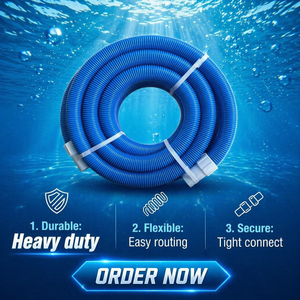
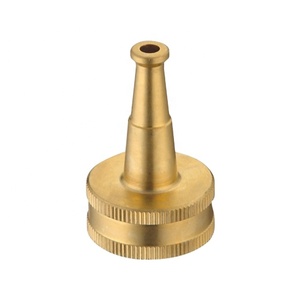
Explore our industrial-grade nozzles, flexible suction lines, DMX512 controllers, and high-efficiency power drivers engineered for continuous submersion.
In architectural water features, municipal fountains, and luxury swimming pool engineering, submersible lighting fixtures operate under extreme environmental stressors. Submerged optical equipment faces continuous hydrostatic head pressure, thermal shock from rapid LED heat generation inside sealed housings, chemical exposure (chlorine, bromine, saline), and potential galvanic corrosion. Achieving genuine CE-certified IP68 compliance requires far more than basic silicon seals; it demands a comprehensive structural, thermal, and material engineering approach.
The primary defense against aggressive aquatic environments is material selection. Premium submersible luminaires utilize marine-grade AISI 316L Stainless Steel or passivated die-cast aluminum alloys treated with electro-phoretic coatings. AISI 316L incorporates 2–3% Molybdenum, drastically reducing susceptibility to pitting and crevice corrosion caused by high chloride concentrations in pool water chemistry.
Modern high-lumen density LED arrays produce substantial thermal heat. If unmanaged, internal heat buildup creates a localized pressure differential (the breathing effect), pulling moisture past secondary rubber seals. Leading manufacturers mitigate this via:
The global market for commercial water features, resort swimming pools, and smart municipal landscapes is undergoing a dramatic technological shift. B2B procurement managers, MEP consultants, and landscape architects are moving away from traditional static lighting to dynamic, intelligent, and sustainable aquatic ecosystems.
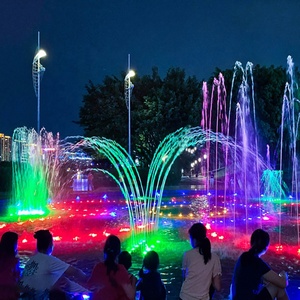
Modern musical dancing fountains and architectural water features demand high-frequency microsecond synchronisation. The industry standard has rapidly consolidated around DMX512-A with Remote Device Management (RDM). RDM allows facility operators to remotely query underwater lights for operating temperature, LED runtime hours, and driver voltage status directly from the central PLC control room without draining water sumps.
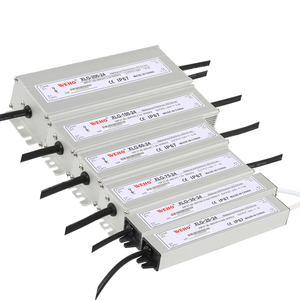
Safety guidelines mandated by European standards (EN 60598-2-18) restrict pool voltage to Safety Extra Low Voltage (SELV) limits (12V DC or 24V DC). Sourcing trends favor high-capacity, multi-channel wide-input voltage LED drivers (ranging from 50W to 2000W) equipped with active Power Factor Correction (PFC > 0.98) and ultra-low THD (< 10%). Centralizing power conversion in IP67 control cabinets reduces underwater weight and extends luminaire MTBF (Mean Time Between Failures) to > 50,000 hours.
Traditional RGB fixtures often suffer from color separation and visual artifacting when light passes through moving water jets. Procurement briefs now prioritize single-chip RGBW (Red, Green, Blue, Warm White 3000K) or RGBA optical engines with narrow 8° to 45° precision acrylic lenses, ensuring crisp color mixing even in dynamic 30-meter high fountain jets.
To assist procurement directors and project engineers in verifying vendor specifications against actual field requirements, the comparative engineering matrix below outlines essential technical parameters:
| Engineering Parameter | Standard Landscape IP67 Light | Industrial Grade IP68 Submersible Light |
|---|---|---|
| Maximum Submersion Depth | Temporary immersion (< 1 Meter, 30 min max) | Continuous Submersion (3 Meters to 50+ Meters) |
| Structural Housing Material | ABS Plastic or AISI 304 Stainless Steel | AISI 316L Marine Stainless Steel / Anodized Alum |
| Internal Sealing Method | Single Silicone Gasket / Dry Cavity | Full Vacuum Resin Potting + Dual FKM O-Rings |
| Control Protocol Support | Basic On/Off, RF Remote, Simple PWM | DMX512-A, RDM Telemetry, 16-Bit PWM Dimming |
| Glass Impact Resistance | Standard Tempered Glass (IK07) | High-Impact Optical Quartz Glass (IK10 Rated) |
| CE Directive Compliance | EMC Only (Basic) | LVD 2014/35/EU, EMC 2014/30/EU, EN 60598-2-18 |
| Expected Service Lifetime | 15,000 to 20,000 Hours | > 50,000 Hours (L70 @ 50°C Junction Temp) |
A certified IP68 rating according to IEC/EN 60529 requires the manufacturer to test fixtures under continuous water pressure exceeding 1.5 Bar (equivalent to 15 meters water depth) for a minimum test duration of several days or weeks, depending on client specification. CE certification further requires adherence to EN 60598-2-18 (luminaires for swimming pools and similar applications), ensuring electrical safety, low voltage operation (SELV), electromagnetic compatibility (EMC), and resistance to thermal shock.
AISI 304 stainless steel contains 18% chromium and 8% nickel, which provides adequate protection in fresh water. However, commercial swimming pools and municipal fountains utilize chemical sanitizers like chlorine, bromine, or salt chlorination systems (producing sodium chloride). Chlorine ions easily penetrate the chromium oxide passive layer of 304 steel, causing severe pitting and crevice corrosion. AISI 316L contains 2–3% Molybdenum, which dramatically increases its resistance to chloride-induced corrosion, guaranteeing long-term structural aesthetic purity.
Because low-voltage systems (12V DC or 24V DC) draw higher current (Amperes) for equivalent wattage (Watts = Volts × Amps), voltage drop along copper conductors becomes a critical factor. Engineers calculate voltage drop using the formula: V_drop = (2 × L × I × ρ) / A, where L is cable length, I is load current, ρ is copper resistivity, and A is cross-sectional area. To prevent uneven LED dimming, suppliers recommend utilizing 24V DC driver topologies over 12V DC, increasing cable cross-section (e.g., 2.5mm² to 4.0mm²), or deploying decentralized power junction boxes.
Yes. Advanced DMX512 LED drivers and PLC controllers manufactured for architectural applications can seamlessly interface with central BMS platforms via Modbus RTU, BACnet/IP, or KNX gateways. This integration allows facility directors to automate operating schedules, sync water feature lighting with building facade illumination, and receive automated diagnostic alerts upon component failure.
Potting resin acts as a secondary defense layer against water ingress. Even if a outer glass seal or cable gland experiences physical damage, a fully potted fixture prevents water from reaching internal circuit boards, LED chips, and wiring terminals. Additionally, high-grade polyurethane potting resins conduct heat away from electronic components directly to the outer metal casing, lowering junction temperature and extending LED lifespan.
Aura Fountains delivers complete end-to-end turnkey capabilities: initial hydraulic design, CAD/3D conceptual modeling, MEP plumbing and electrical schematics, custom component manufacturing (nozzles, IP68 lights, PLC cabinets), global export logistics, on-site installation supervision, system commissioning, operator training, and ongoing Annual Maintenance Contracts (AMC).
High-capacity LED drivers (ranging from 50W up to 2000W) are housed inside custom IP66/IP67 stainless steel or powder-coated aluminum control enclosures located in dry equipment rooms or elevated outdoor pedestals. These power supply units feature short-circuit protection, over-current protection, over-voltage protection, thermal shutdown, and built-in active PFC to ensure steady power delivery across long cable runs.
Commercial installations should undergo quarterly visual inspections to check for mineral scaling (calcium buildup) on optical glass lenses and nozzle orifices. Nozzle baskets and comet jet rings should be flushed to remove debris. Optical glass can be cleaned using mild acidic solutions (citric acid). Electrical resistance and ground continuity should be measured annually to verify cable insulation integrity.
Established in 2003 and operating under an ISO 9001:2008 Certified Quality Management System, Aura Fountains (Aura Pools & Fountains) is a premier engineering manufacturer and global supplier of commercial fountain systems, IP68 underwater illumination, swimming pool filtration equipment, and smart PLC controllers.
We directly design and produce fountain nozzles, submersible LED lights, RGB controllers, and custom PLC control panels at our manufacturing facility, ensuring complete quality assurance.
Our hydraulic engineers collaborate directly with architects, landscape consultants, and developers to engineer bespoke water features, jumping laminar jets, and water curtains matching precise CAD specs.
With over 1,500 successfully commissioned projects across public plazas, 5-star hospitality resorts, commercial hubs, and private estates, our systems are built for long-term reliability.
Submit your architectural drawings, hydraulic specifications, or tender requirements. Our engineering team will prepare a comprehensive technical proposal and BOM within one business day.