
+91 99994 28905 / +91 98731 30400 [email protected]
0%

Choosing a top Chinese Programmable Musical Fountain starts with more than a dramatic video. A reliable system must coordinate pumps, underwater lights, valves, and music with precise timing. It should also suit the site’s dimensions, water depth, climate, and expected visitor numbers. A fountain designed for a hotel courtyard may not meet the demands of a city square.

Looks can mislead. A polished demonstration does not prove long-term performance. Buyers should review technical specifications, control-system capabilities, material choices, installation plans, and maintenance requirements. Ask for references to completed projects, and check whether those examples resemble your own site. Clear answers about warranties, spare parts, training, and remote support matter too. Small details count, such as how easily technicians can reach a pump or replace a light.

There is no single model that fits every project. The best choice depends on the balance between visual ambition, operating costs, local conditions, and service support. Compare suppliers using documented capabilities rather than broad claims, and request a realistic design proposal before making a decision. If possible, inspect an operating installation or review an unedited performance recording. Even then, performance can vary with water quality, weather, and maintenance. That part is easy to overlook. This guide explores the features and questions that help buyers assess leading Chinese suppliers with care, while recognizing that a compelling show is only as dependable as the system behind it.
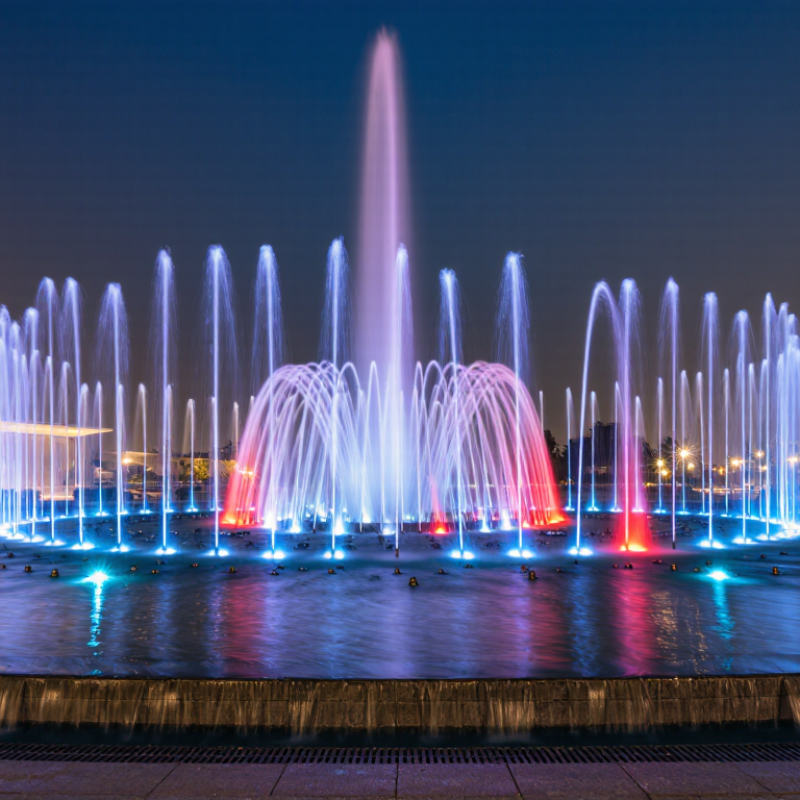
What Is the Best China Top Programmable Musical Fountain?

What Is a Programmable Musical Fountain?

A programmable musical fountain is a water display controlled by software, pumps, valves, and lighting equipment. Its movements and colors are arranged to follow a selected soundtrack or timed sequence. A controller sends cues that adjust water height, direction, and lighting at specific moments. The fountain is not simply spraying water to music. Each effect needs to be planned, programmed, and tested.

Tips: Begin with a clear audio track and a simple cue plan. Match major water changes to strong beats, then add smaller details. Keep the first sequence manageable.

Good programming considers more than rhythm. Nozzle type, water pressure, wind, and viewing distance can change how a pattern looks outdoors. A narrow jet may appear crisp up close but disappear from across a plaza. Even a carefully timed cue can feel slightly late when pumps respond unevenly. That is worth checking in real conditions. Operators can adjust timing after testing, while qualified technicians should confirm that equipment settings suit the installation. Maintenance matters, too: clogged nozzles or inconsistent pressure can alter a familiar sequence. A programmable fountain is flexible, but it is not automatically precise without careful setup and regular checks.

How Music, Water, Lighting, and Control Systems Work Together

A programmable musical fountain works best when sound, water, lighting, and control share one precise timeline. The controller divides a musical track into cues. Each cue can adjust pump output, valve timing, nozzle direction, and lighting color. A sharp drumbeat might trigger a short vertical burst, while a sustained note suits a softer water arc. The details matter. If a valve responds late, the water can miss the beat even when the lights look accurate.

When assessing a Chinese fountain system, ask how it handles synchronization, testing, and maintenance. Request a sample sequence, control-system documentation, and details about pump capacity and nozzle flow. Check whether technicians can adjust cues on site, because real water pressure may differ from design conditions. Lighting should remain visible through spray, and electrical components need suitable protection for wet environments. Small details count. A perfectly timed show can still feel mechanical if every movement repeats at the same height. That is worth questioning during design reviews. Reliable performance comes from coordinated engineering, careful commissioning, and practical access to parts—not from effects alone.

Key Criteria for Evaluating Chinese Musical Fountain Suppliers

Choosing a programmable musical fountain supplier in China requires more than comparing prices or animation videos. Ask for a hydraulic layout showing pump capacity, nozzle types, pipe routing, and expected water height. Then compare it with your site’s pool dimensions and wind exposure. Small details matter. A spray that looks crisp in a showroom may drift across a shallow pool outdoors.

Check how the control system synchronizes water, lighting, and audio. Request a sample sequence or live demonstration, and ask how technicians adjust timing after installation. A clear explanation of electrical protection, emergency shutoff, and maintenance access is more useful than broad performance claims. Confirm which components are sourced locally, what spare parts are recommended, and how remote troubleshooting works. Get the answers in writing.

Experience should be verifiable. Review project photos, operating videos, and references for installations with similar scale and climate. Ask who handles commissioning and how long on-site testing usually takes. Compare warranty terms, training, manuals, and response times—not just equipment lists. One caution: a detailed proposal can still miss site conditions. I would leave room for a joint review of water quality, drainage, and local weather before finalizing the design. That step may feel slow. It often prevents costly revisions.

Leading Applications of Programmable Fountains in China

What Is the Best China Top Programmable Musical Fountain?

Leading Applications of Programmable Fountains in China

Programmable musical fountains are becoming important features in China’s public and commercial spaces. In civic plazas, synchronized water, lighting, and music can create an inviting evening atmosphere. In projects I have reviewed, the strongest results came from clear programming and careful hydraulic design. A reliable fountain must respond smoothly to changing music, weather, and visitor traffic. Water height, nozzle movement, and lighting color should remain balanced. Excessive sound can reduce comfort.

Urban planners use these fountains near transport hubs, city squares, and cultural districts. Hotels and resorts often place them beside entrances, pools, or outdoor dining areas. Shopping centers use short performances to increase evening activity and guide visitor movement. Tourism projects may connect fountain shows with local history, seasonal celebrations, or architectural themes. Parks can use gentle programs during the day and more dynamic sequences at night. These applications need different control settings.

Maintenance matters greatly.

In practice, I would examine water recycling, filtration, electrical protection, and service access before selecting equipment. Control software should allow staff to adjust timing without specialist support. Energy use also deserves attention, especially for daily performances. I have seen impressive installations lose quality because filters were neglected or maintenance routes were poorly planned. That weakness is easy to overlook. No fountain is perfect, and programming may need revision after real audience feedback. The best system is therefore practical, adaptable, and suited to its location, not merely the most dramatic during a brief demonstration.

What Is the Best China Top Programmable Musical Fountain? - Leading Applications of Programmable Fountains in China

Application Typical Setting Common Programmable Features Key Design Considerations Why It Can Be a Good Fit
Urban civic plazas Public squares and pedestrian areas in city centers Timed daily shows, music synchronization, adjustable jet sequences, and colored lighting Public safety, clear viewing areas, noise management, accessible routes, and straightforward maintenance Creates a flexible public-space feature that can support regular evening displays and special events.
Tourism and scenic destinations Waterfronts, cultural districts, and visitor attractions Coordinated water, lighting, and audio scenes; scheduled performances; and event-specific sequences Visitor circulation, viewing capacity, local operating conditions, water quality, and seasonal weather Programmable scenes can be adapted for different schedules and visitor experiences without changing the basic fountain layout.
Commercial and mixed-use developments Shopping centers, business districts, and outdoor gathering spaces Short scheduled shows, low-height water patterns, lighting scenes, and event modes Nearby building entrances, pedestrian flow, splash control, operating costs, and coordination with surrounding activities Compact, scheduled performances can add visual interest while allowing the space to serve other uses between shows.
Urban parks and lakes Park ponds, lake edges, and landscaped recreation areas Variable jet patterns, timed operation, lighting, and sequences designed for open-water settings Water depth, wind effects, ecological conditions, access for maintenance, and protection of nearby habitats Can provide a focal point for a large outdoor setting when the system is designed around the water body and its environment.
Cultural and seasonal events Temporary or recurring public celebrations and festival venues Custom music cues, scene changes, event schedules, and coordinated lighting effects Reliable show control, crowd management, weather contingencies, and safe separation between equipment and visitors Flexible programming makes it possible to tailor performances to an event while retaining reusable show sequences.
Hotels, resorts, and leisure venues Outdoor courtyards, pools, and landscaped arrival areas Scheduled displays, quieter operating modes, lighting scenes, and music-linked sequences Guest comfort, operating hours, splash management, water treatment, and compatibility with nearby facilities Different operating modes can suit both routine ambience and selected performance times.

Selection note: There is no single best programmable musical fountain for every project. The right solution depends on the site, audience, water source, local climate, operating plan, safety requirements, and maintenance resources.

How to Choose a Fountain for a Specific Project

What Is the Best China Top Programmable Musical Fountain?
How to Choose a Fountain for a Specific Project

For a specific project, the best programmable musical fountain is not simply the tallest or most complex system. Start with the site. Measure the basin, water depth, wind exposure, viewing distance, and electrical capacity. A narrow plaza may suit compact vertical jets, while a broad lake can support wider patterns and longer sightlines. Match nozzle types and pump output to the water area, not just a dramatic rendering. Check maintenance access, filtration, drainage, and winter conditions before approving the design. These details affect reliability and operating costs.

Tips: Keep it measurable. Request a layout showing nozzle positions, spray heights, and service access. Ask for a sample sequence using the project’s music and viewing angle. Confirm who will test the controls and train local operators. Sound matters, too.

Compare control options, lighting, and show timing against the venue’s daily use. A hotel courtyard may need quieter schedules and restrained spray heights; a civic space may prioritize visibility across a crowd. Specify expected run hours and maintenance intervals, and ask how performance changes in wind. A plan that looks elegant on screen can feel too busy in person. That is easy to overlook, and not every design choice will age well. Choose a supplier with documented testing, clear technical drawings, and responsive after-sales support. Reserve time for an on-site commissioning review before opening.

FAQS

How does a musical fountain stay synchronized with music?

A controller divides the track into cues for pumps, valves, nozzles, and lights. A late valve can miss the beat.

Which technical documents should I request?

Ask for a hydraulic layout showing pump capacity, nozzle types, pipe routes, and expected water height. Get answers in writing.

How can site conditions affect the fountain?

Pool size, wind, and water pressure can change spray height and direction. A showroom spray can mislead.

What should a sample demonstration show?

Request a sample sequence or live demonstration. Check whether technicians can adjust cue timing after installation. Videos are not enough.

What should I check about lighting and electrical protection?

Confirm that lights remain visible through spray and electrical parts suit wet conditions. Check emergency shutoff access too.

How can I assess a supplier’s experience?

Review project photos, operating videos, and references from similar climates and project sizes. Ask who handles commissioning.

Which maintenance details should I confirm?

Check spare-parts availability, remote troubleshooting, manuals, training, warranty terms, and response times. Small parts matter.

Why review the site before finalizing the design?

Water quality, drainage, and local weather may require changes. The review can feel slow, but I would leave room for it.

Conclusion

A Programmable Musical Fountain is an interactive water feature that coordinates jets, music, lighting, and digital controls to create a synchronized display. Its design may combine different nozzle patterns, water heights, colors, and timing sequences, while a control system manages how these elements respond to the selected soundtrack. The quality of the result depends on thoughtful programming as well as reliable equipment and careful installation.

When comparing Chinese musical fountain suppliers, consider their design and engineering capabilities, component quality, control technology, project experience, customization options, and after-sales support. Programmable fountains can enhance public plazas, parks, commercial spaces, resorts, and cultural attractions, with each setting calling for a different scale and style. To choose a suitable system, define the project’s goals, site conditions, audience, budget, maintenance needs, and desired effects before evaluating proposals. A well-matched fountain balances visual impact, dependable operation, and practical long-term care.

Evelyn

Evelyn

Evelyn is a professional marketer with a strong understanding of the company’s products, customers, and market. She combines product knowledge with clear, practical communication, helping readers understand how the company’s offerings can support their needs and goals. Through regular articles on......